1. Combined table‑vibration & step‑by‑step vibration, better mould‑cavity filling for pavers, lower reject loss from incomplete filling
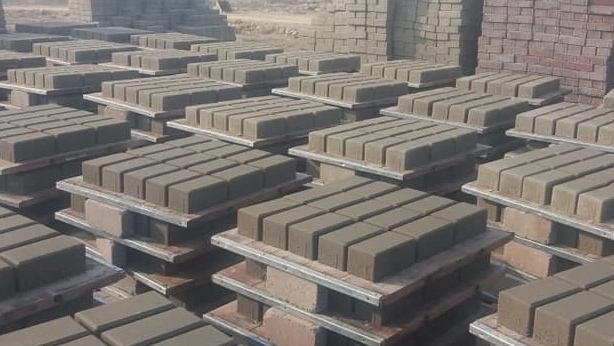
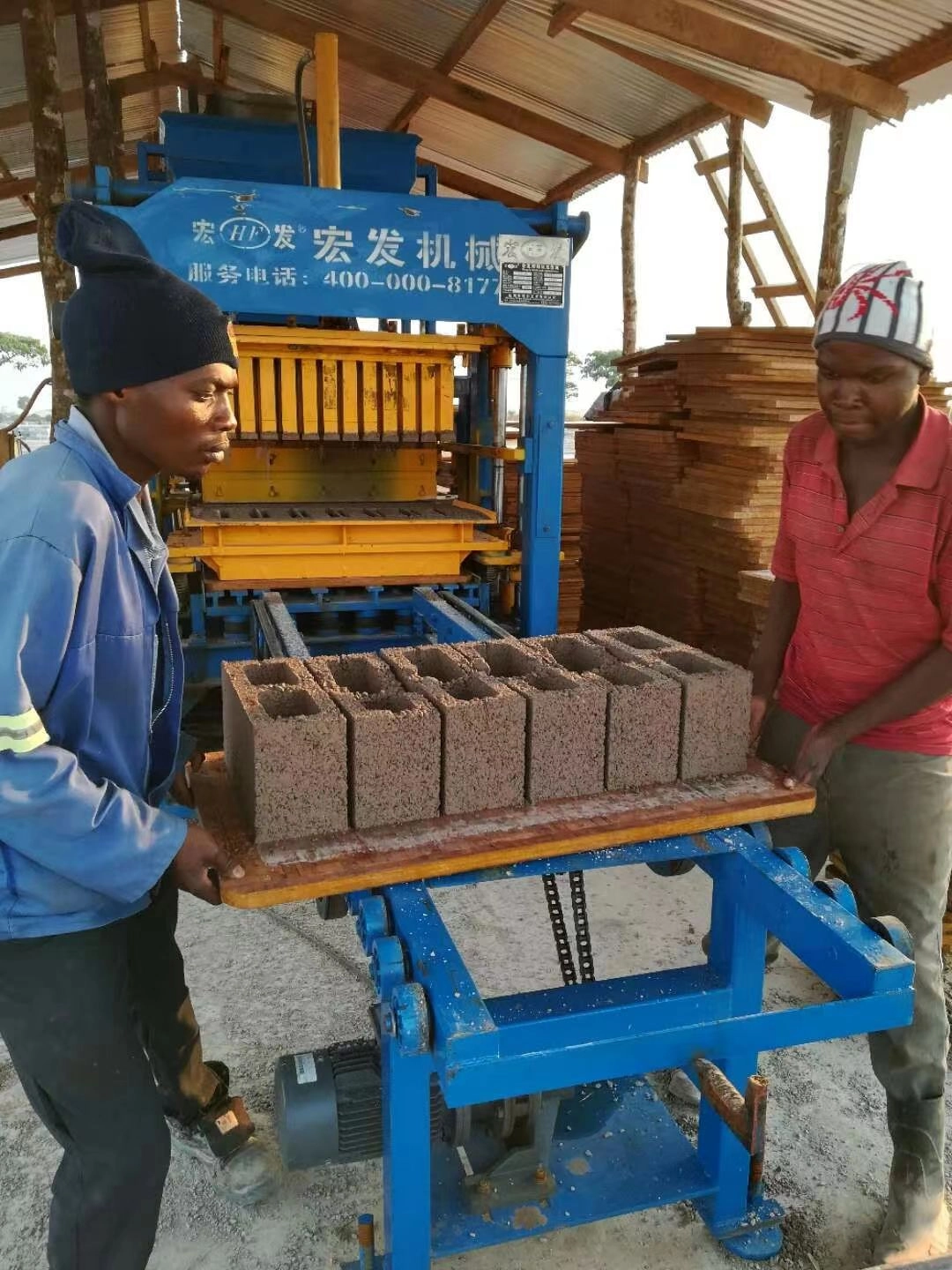
Many economical brick machines apply only single‑stage vibration. Paving‑block mould corners often get insufficient material, causing chipped edges and honeycomb surfaces which trigger municipal‑client rejection. QT4‑25C features pre‑vibration followed by supplementary filling & secondary vibration. Complex paver cavities get fully packed even at corners. Finished permeable pavers and interlocking blocks show regular shape and uniform wall‑thickness, cutting rejects caused by poor filling. Small‑and‑medium brick plants save raw‑material waste, reduce penalty risks during municipal order delivery and help secure repeated small‑volume municipal supply contracts.
2. Works with economical 850×550 mm small pallets, lower ongoing consumable cost for paver‑making and fits compact workshops
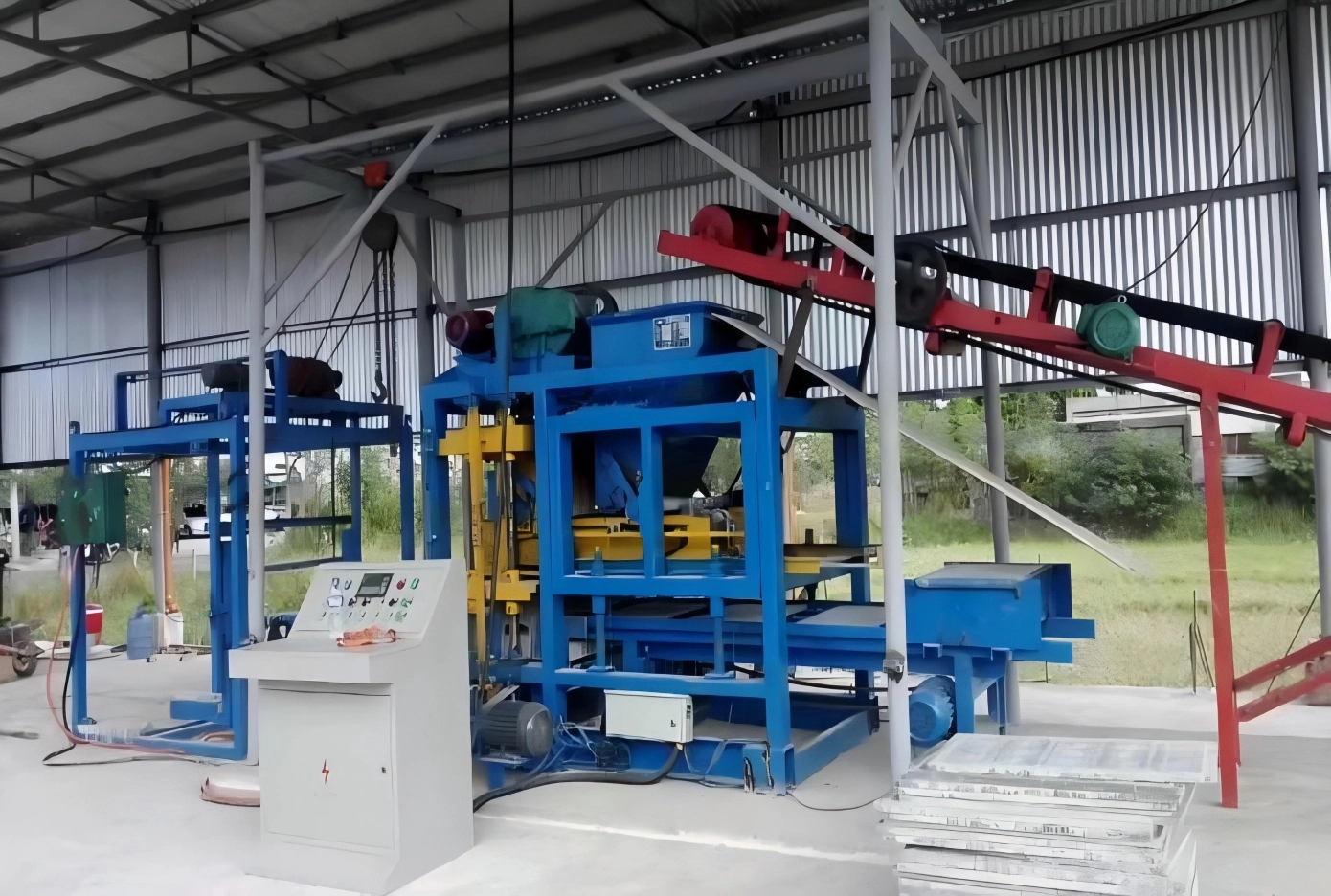
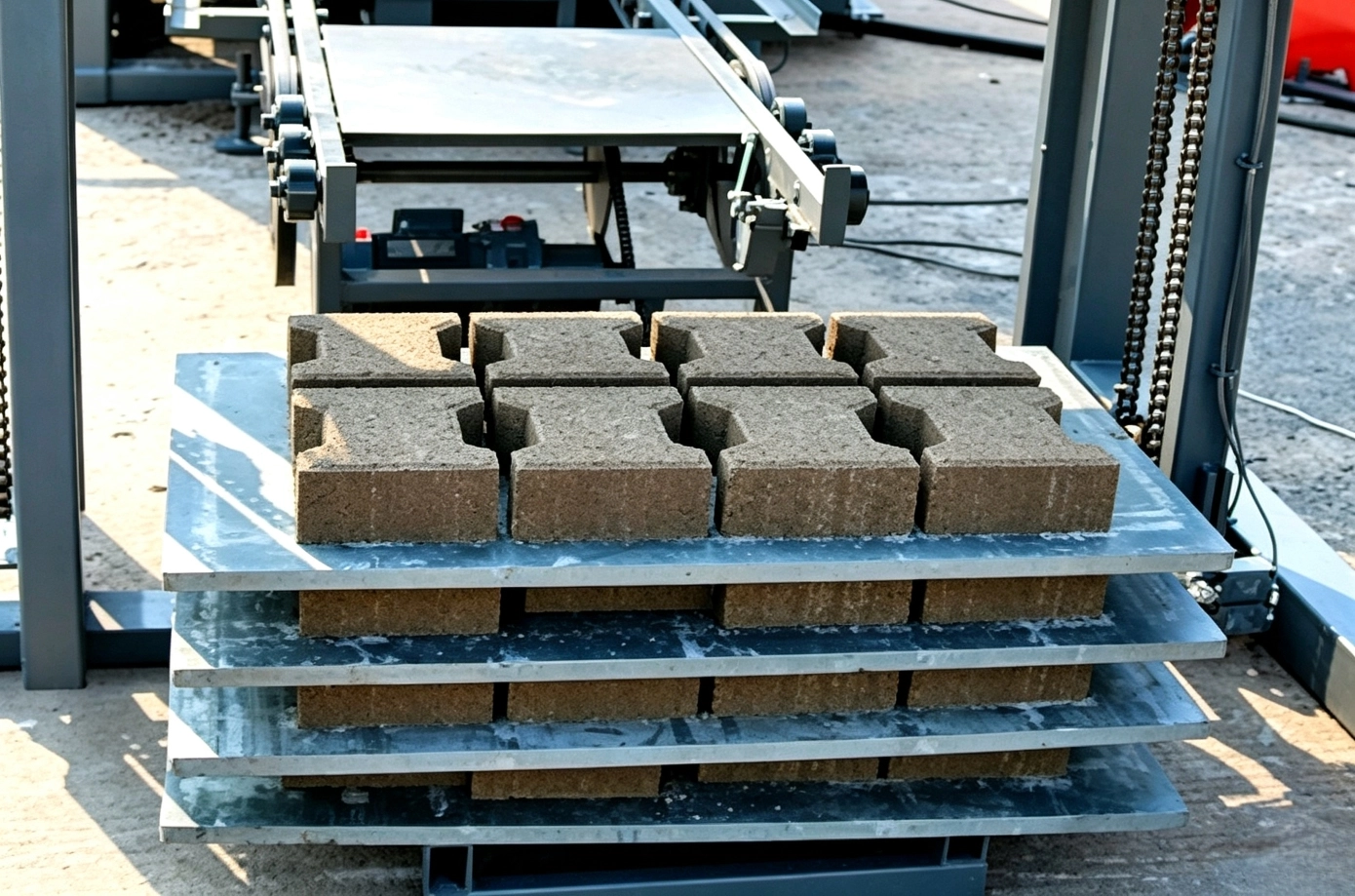
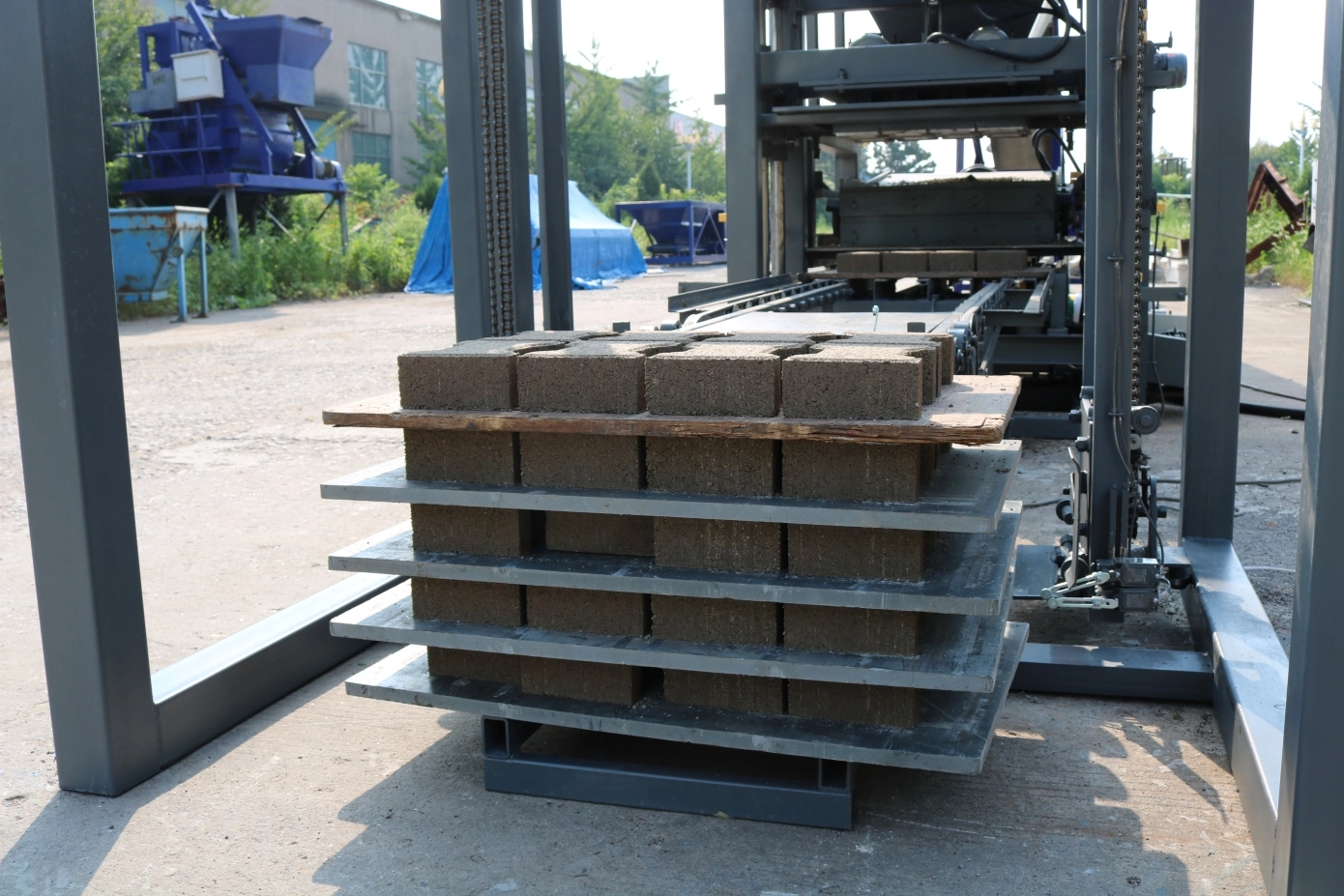
Many overseas start‑up brick factories suffer limited workshop space. Large‑pallet machines demand bigger buildings and bring high recurring pallet‑replacement expense for GMT / PVC pallets. QT4‑25C uses cost‑effective 850×550 mm pallets with lower unit purchase price and easy‑to‑find local alternative pallet materials. Compact main unit runs inside existing simple workshops without workshop expansion. It keeps upfront building‑renovation cost and long‑term pallet‑consumption under control, well‑suited for budget‑constrained overseas investors entering municipal paver business.
3. Low total power consumption, electric‑mechanical safety interlock, adapts to unstable overseas grid and easily‑sourced spare‑parts to shorten downtime
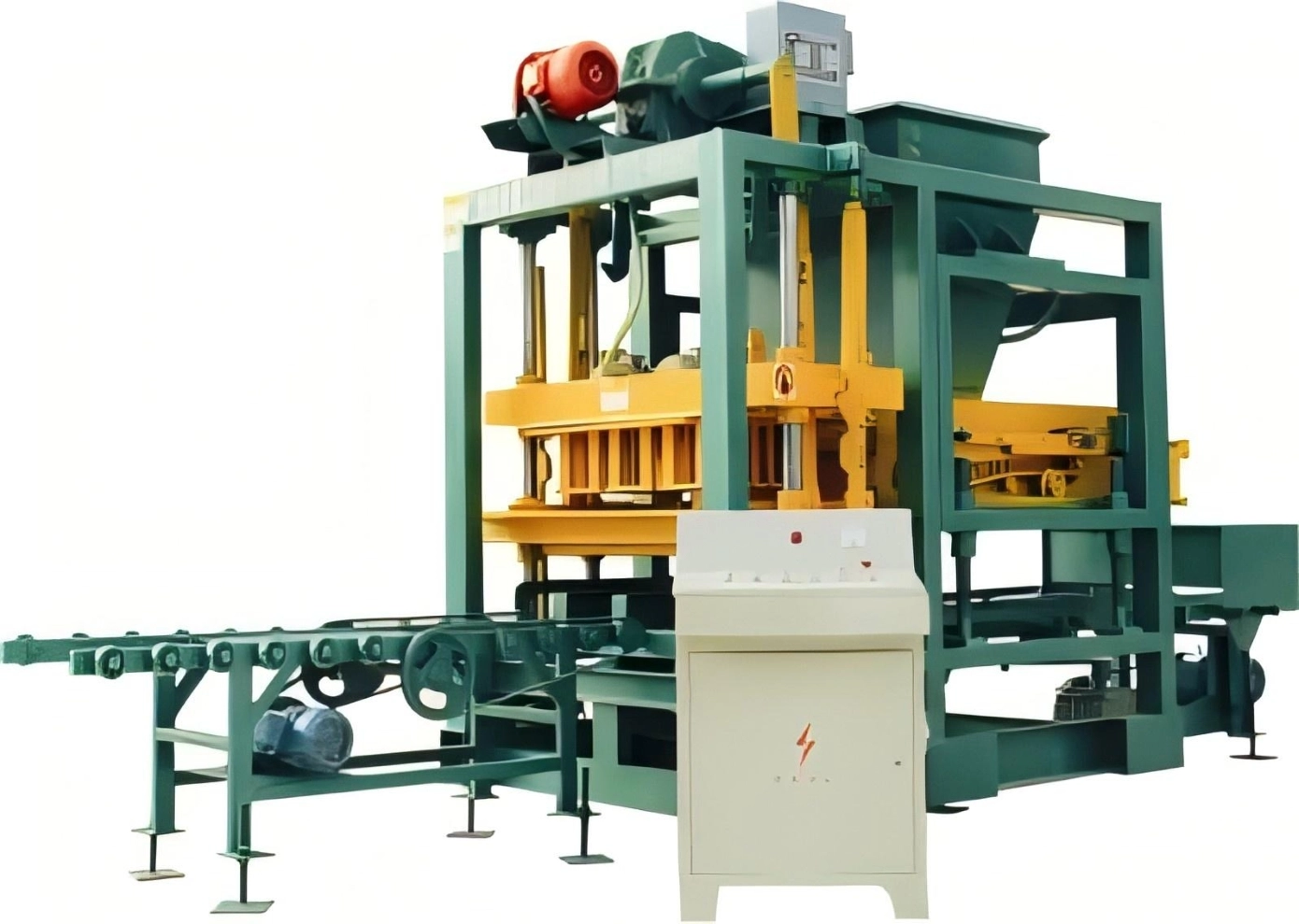
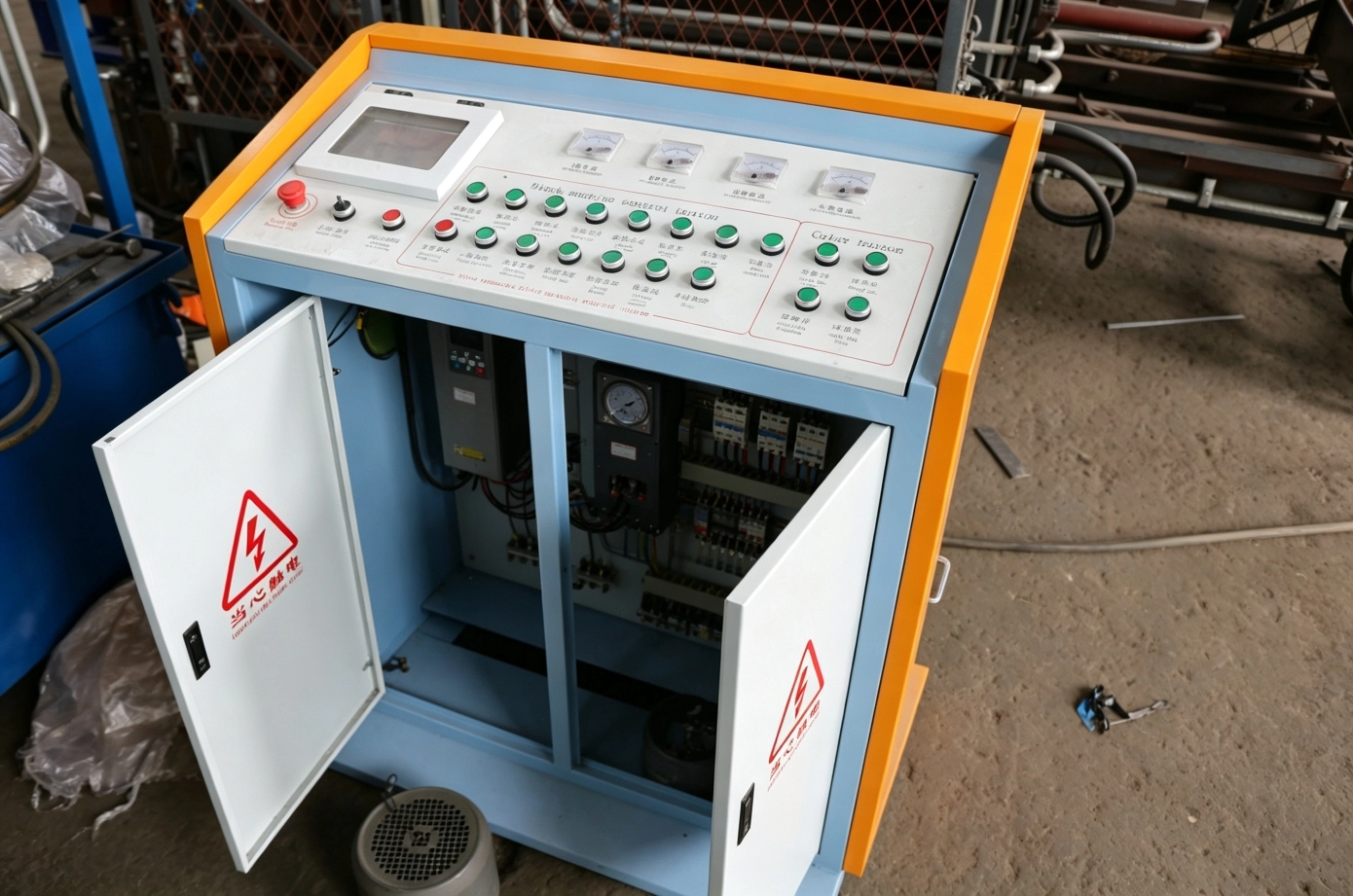
Some overseas plant sites have limited grid capacity. High‑power full‑auto brick machines may fail to run under insufficient voltage; hard‑to‑source exclusive spare‑parts lead to long production halt once components break. QT4‑25C total power reaches only 20.75 KW with lower requirement for transformers and wiring, operating stably under ordinary site power supply. Electric‑mechanical interlock prevents mould collision from mis‑operation. Motors, relays and proximity switches are common standard components, locally purchasable without long lead‑time from original manufacturer. Damaged parts can be replaced quickly to resume paver‑production and avoid order delays, keeping maintenance expenses low.
4. Highly‑adjustable mould mounting structure, flexible switch over various paver types, handle sporadic municipal orders plus retail building‑block sales
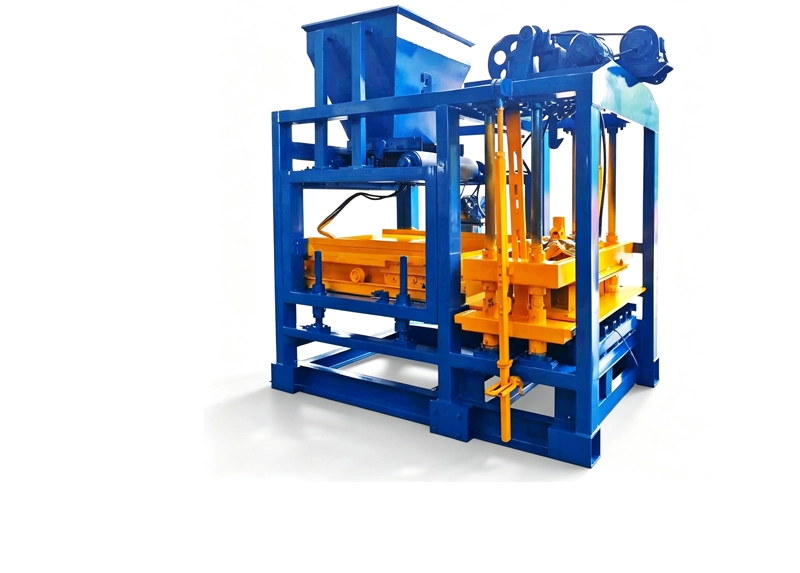
Most medium‑small brick‑factory municipal contracts come in small‑batch mixed specifications: interlocking pavers, grass‑planting blocks, plus hollow‑block retail demands. Some machines require heavy internal reconstruction after mould change. QT4‑25C allows adjustment for feeding box, mould positioning rods and locating stoppers after paver‑mould replacement, adapting to different block heights and complex paver cavities. Major host reconstruction is not required when switching between permeable pavers, interlocking blocks, grass‑planting blocks, standard bricks and hollow blocks. You can fulfil municipal tenders meanwhile produce building blocks for retail during off‑peak periods, raise machine running‑rate and reduce idle‑time. Heat‑treated manganese‑steel moulds resist heavy impact from frequent paver‑production and extend mould service life.
5. Wide compatibility with local industrial residues for paver base layer, utilize on‑site waste to lower per‑paver production cost
Paving‑block manufacturing consumes large‑volume aggregates. Relying totally on expensive virgin sand‑stone leaves thin profit margin under competitive small‑municipal‑project bidding. QT4‑25C accepts fly ash, cinder, tailings sand, crushed construction waste and other local residues for paver base material. Color aggregate is only needed for thin surface facing when colored pavers are required. You can source cheap local industrial waste and cut high‑cost virgin aggregate consumption. Better pricing flexibility for local municipal bidding and improves competitiveness for medium‑small‑size projects.
6. Light‑duty integrated welded frame, low foundation requirement for fast paver‑project commissioning for medium‑small brick plants
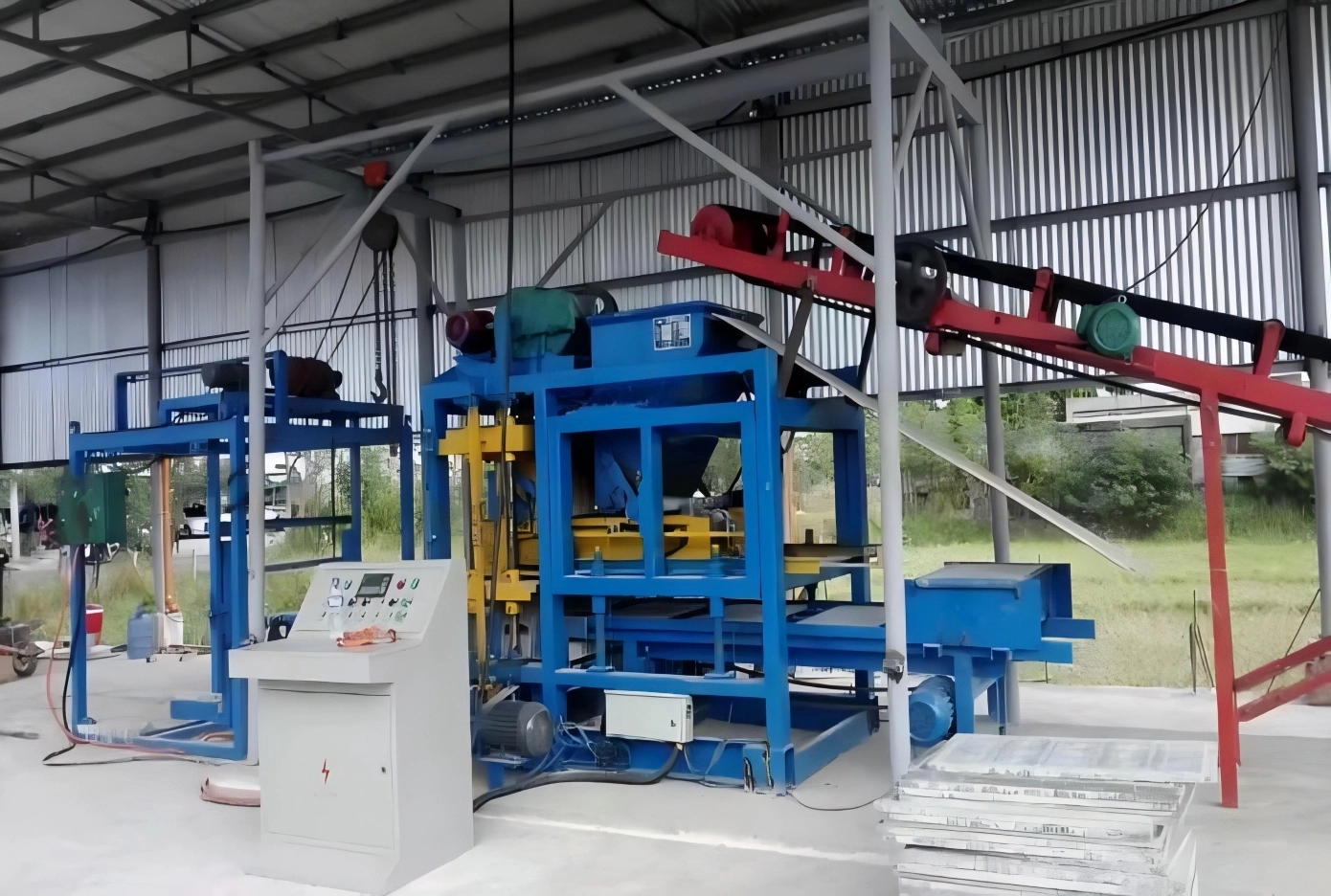
Many overseas small‑scale investors cannot afford heavy‑duty reinforced concrete foundation, which increases civil‑work cost and delays time‑to‑production. QT4‑25C main machine weighs 2200 KG with integral welded frame. It does not require extra‑thick special concrete foundation; simple hardened ground is acceptable for installation. The main host can be put into production independently, with mixers and batching units added later according to capital status. New‑start factories can launch paver‑manufacturing quickly to respond to sporadic local municipal paving orders and accelerate return‑on‑investment.
1. Combined table‑vibration & step‑by‑step vibration, better mould‑cavity filling for pavers, lower reject loss from incomplete filling
Many economical brick machines apply only single‑stage vibration. Paving‑block mould corners often get insufficient material, causing chipped edges and honeycomb surfaces which trigger municipal‑client rejection. QT4‑25C features pre‑vibration followed by supplementary filling & secondary vibration. Complex paver cavities get fully packed even at corners. Finished permeable pavers and interlocking blocks show regular shape and uniform wall‑thickness, cutting rejects caused by poor filling. Small‑and‑medium brick plants save raw‑material waste, reduce penalty risks during municipal order delivery and help secure repeated small‑volume municipal supply contracts.
2. Works with economical 850×550 mm small pallets, lower ongoing consumable cost for paver‑making and fits compact workshops
Many overseas start‑up brick factories suffer limited workshop space. Large‑pallet machines demand bigger buildings and bring high recurring pallet‑replacement expense for GMT / PVC pallets. QT4‑25C uses cost‑effective 850×550 mm pallets with lower unit purchase price and easy‑to‑find local alternative pallet materials. Compact main unit runs inside existing simple workshops without workshop expansion. It keeps upfront building‑renovation cost and long‑term pallet‑consumption under control, well‑suited for budget‑constrained overseas investors entering municipal paver business.
3. Low total power consumption, electric‑mechanical safety interlock, adapts to unstable overseas grid and easily‑sourced spare‑parts to shorten downtime
Some overseas plant sites have limited grid capacity. High‑power full‑auto brick machines may fail to run under insufficient voltage; hard‑to‑source exclusive spare‑parts lead to long production halt once components break. QT4‑25C total power reaches only 20.75 KW with lower requirement for transformers and wiring, operating stably under ordinary site power supply. Electric‑mechanical interlock prevents mould collision from mis‑operation. Motors, relays and proximity switches are common standard components, locally purchasable without long lead‑time from original manufacturer. Damaged parts can be replaced quickly to resume paver‑production and avoid order delays, keeping maintenance expenses low.
4. Highly‑adjustable mould mounting structure, flexible switch over various paver types, handle sporadic municipal orders plus retail building‑block sales
Most medium‑small brick‑factory municipal contracts come in small‑batch mixed specifications: interlocking pavers, grass‑planting blocks, plus hollow‑block retail demands. Some machines require heavy internal reconstruction after mould change. QT4‑25C allows adjustment for feeding box, mould positioning rods and locating stoppers after paver‑mould replacement, adapting to different block heights and complex paver cavities. Major host reconstruction is not required when switching between permeable pavers, interlocking blocks, grass‑planting blocks, standard bricks and hollow blocks. You can fulfil municipal tenders meanwhile produce building blocks for retail during off‑peak periods, raise machine running‑rate and reduce idle‑time. Heat‑treated manganese‑steel moulds resist heavy impact from frequent paver‑production and extend mould service life.
5. Wide compatibility with local industrial residues for paver base layer, utilize on‑site waste to lower per‑paver production cost
Paving‑block manufacturing consumes large‑volume aggregates. Relying totally on expensive virgin sand‑stone leaves thin profit margin under competitive small‑municipal‑project bidding. QT4‑25C accepts fly ash, cinder, tailings sand, crushed construction waste and other local residues for paver base material. Color aggregate is only needed for thin surface facing when colored pavers are required. You can source cheap local industrial waste and cut high‑cost virgin aggregate consumption. Better pricing flexibility for local municipal bidding and improves competitiveness for medium‑small‑size projects.
6. Light‑duty integrated welded frame, low foundation requirement for fast paver‑project commissioning for medium‑small brick plants
Many overseas small‑scale investors cannot afford heavy‑duty reinforced concrete foundation, which increases civil‑work cost and delays time‑to‑production. QT4‑25C main machine weighs 2200 KG with integral welded frame. It does not require extra‑thick special concrete foundation; simple hardened ground is acceptable for installation. The main host can be put into production independently, with mixers and batching units added later according to capital status. New‑start factories can launch paver‑manufacturing quickly to respond to sporadic local municipal paving orders and accelerate return‑on‑investment.
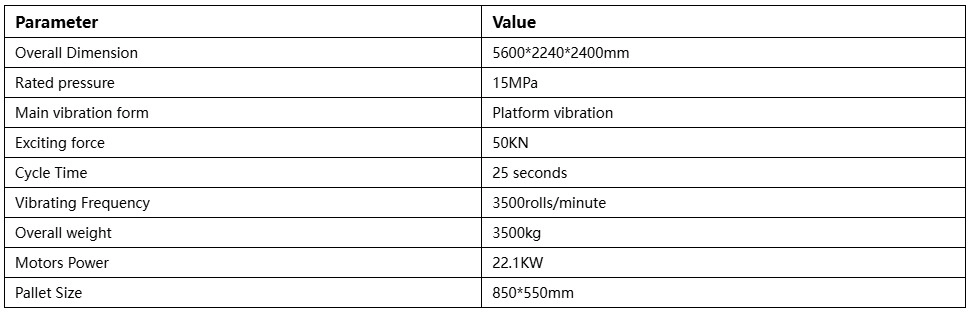
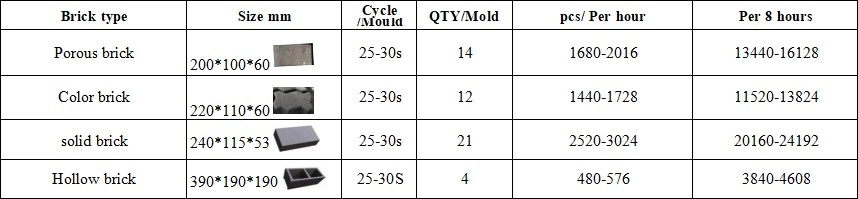
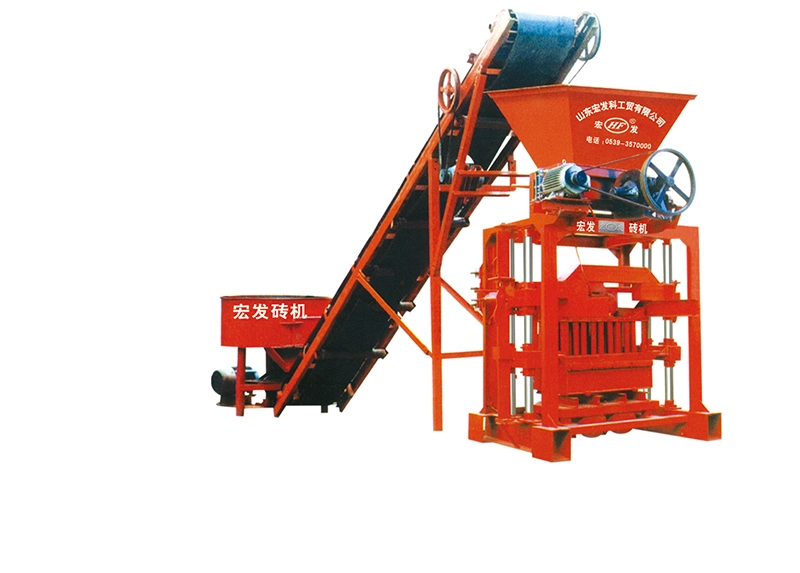 QTJ4‑35 Semi‑automatic Block Making Machine | Economical Forming Equipment For Concrete Hollow Blocks
QTJ4‑35 semi‑automatic block making main machine is optimized for small‑scale production of standard 390×190×190 mm holl...

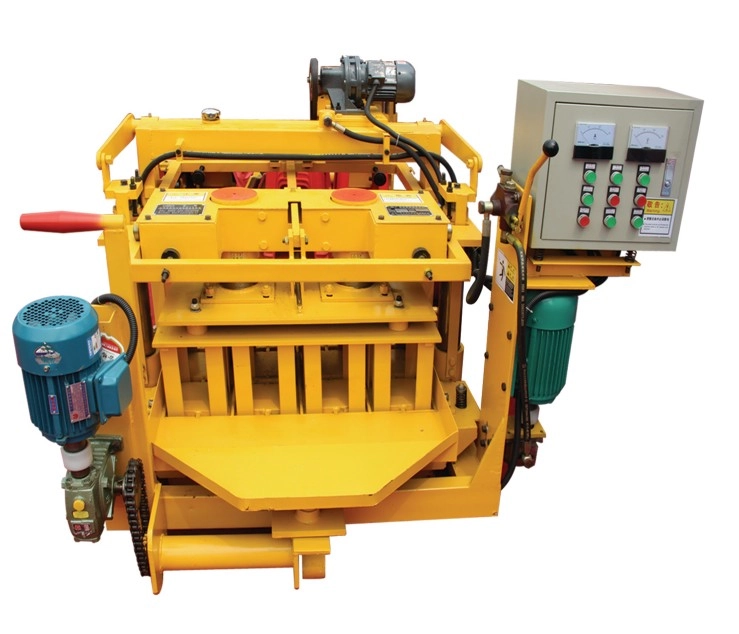 QMJ-4A Semi-automatic Concrete Block Machine
QMJ‑4A mobile hydraulic block making machine adopts mold‑box vibration and hydraulic transmission. It supports forward, ...
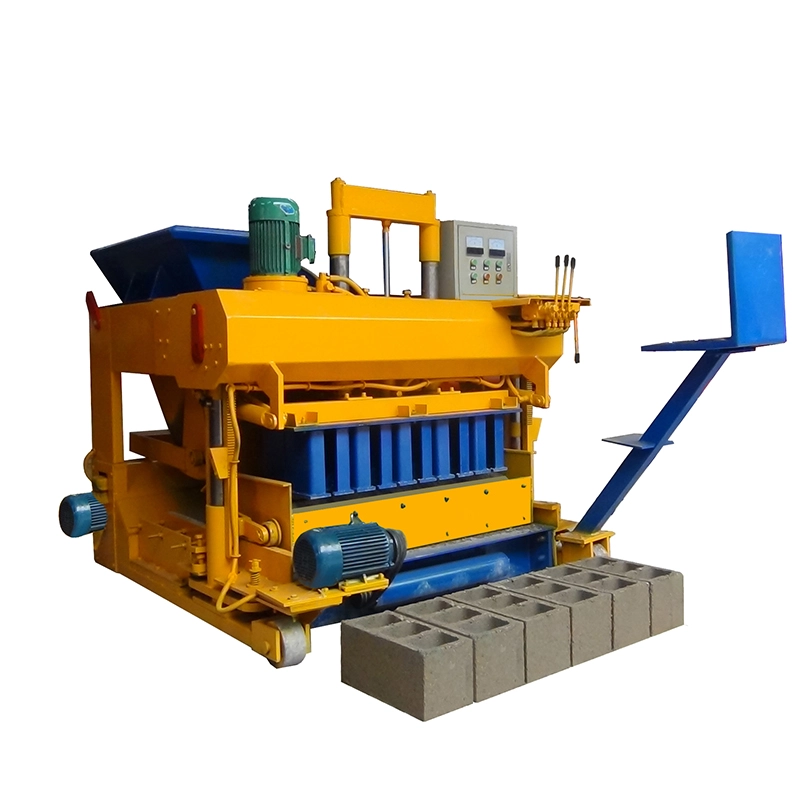 QMJ6‑30 Mobile Pallet‑free Hollow Block Forming Machine | Egg‑layer Ground‑demoulding Concrete Block Equipment
QMJ6‑30 egg‑layer mobile block‑making main machine works without pallets and demoulds directly on hardened ground. It ad...
Shandong Hongfa Scientific Industrial&Trading Co.,Ltd ©️2026Copyright © LU ICP B 16041216-4